Free Accessibility Courses and Certifications
Six free, self‑paced accessibility courses - ranked by difficulty level so you know where to start!
Whether you're in HR looking for a disability inclusion primer, a developer wanting to understand WCAG from a user's perspective, or an experienced auditor ready to grind through a government‑issued certification, there's a recommendation here for you. All courses are free, online, and ideal for fitting into a summer schedule.
Accessibility as Compliance Work
2025’s scramble to meet the European Accessibility Act turned accessibility into a frantic compliance exercise... only to fade once the deadline passed. I’m hopeful that this panic‑driven learning will now settle into everyday habits, making accessibility a natural part of every designer’s and developer’s toolkit rather than a add-on.

The History of Sign Language at the Eurovision Song Contest
Eurovision sign language history: From Vienna 2015's International Sign Performance premiere to ORF's 2026 cast of 6 Deaf performers. Learn why music signing is art, not just interpretation.
Section 508 Trusted Tester Study Group
The Section 508 Trusted Tester certification process, exam structure, and deadlines explained. This study group serves as both a learning platform and an archive for accessibility conformance testing knowledge.
How Blind People Navigate the World, On and Offline
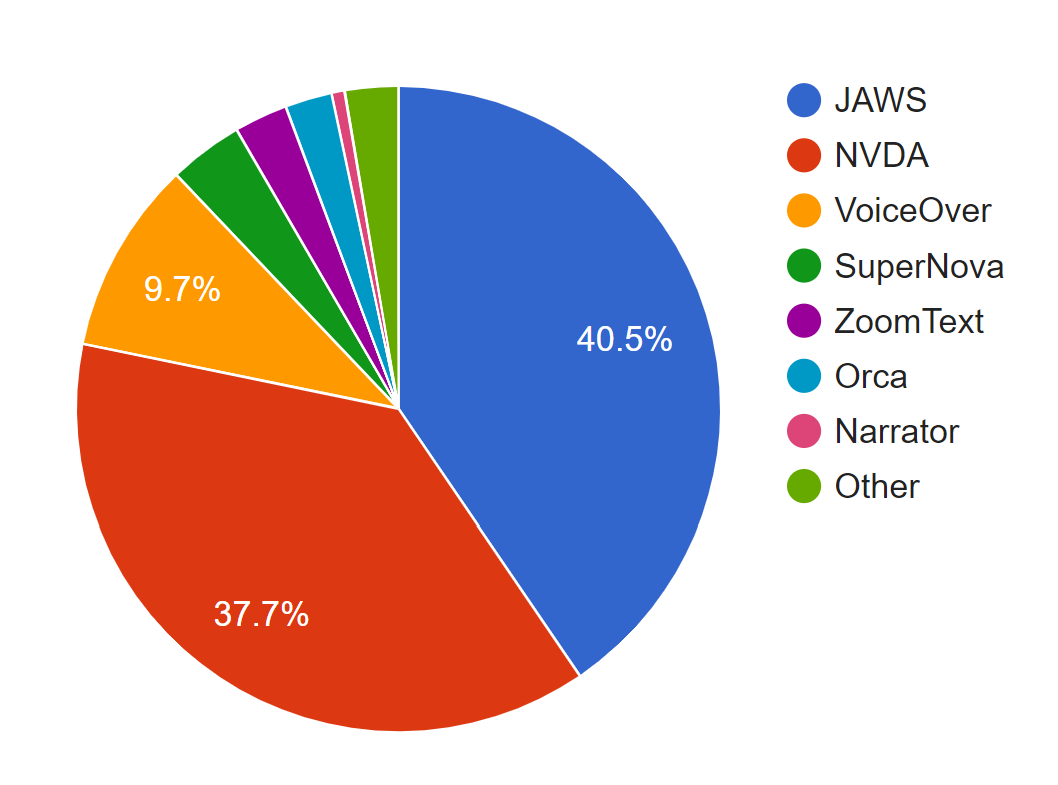
What does it really feel like to browse the web as a blind person, and how do developers build experiences that work for them? Learn why NVDA and JAWS read the same code differently, discover the hidden "accessibility tree" that determines whether your site works for assistive tech users, and meet the unsung heroes: white canes, guide dogs, and Louis Braille himself.
Plus, see the latest WebAIM survey data showing which tools real users depend on, and why relying only on compliance checkboxes misses the human story behind every keystroke.
Essential reading for developers, designers, and anyone building a web that works for everyone.
Accessibility Recources Masterpost
Resources I appreciated along my own a11y way and can recommend for developers, designers, and everyone in between.
Project Manager’s Guide to WCAG Tools
Accessibility audits often triple in cost when issues are found late in a project. For project managers, that means budget overruns, delayed timelines, and potential compliance risks. This guide explains how to plan accessibility audits effectively, measure WCAG success criteria, and prevent the most common failures — from missing alt text to tech debt — before they derail your project.
Designing for the Minimal Common Denominator: Real Accessibility in UX
Too many UX and web design teams chase flashy features while missing real accessibility. Learn how designing for the minimal common denominator ensures content is usable for screen reader users, braille display readers, and people relying on high-contrast setups.

Hope Tech is on Forbes 30
The Story of Hope Tech: It takes a village to build anything, and a community to build it properly.
From UX design to community-led product development: How Hope Tech builds accessible solutions with the disabled community.
Neurodiversity & UX Design
The growing interest in neurodiversity within UX design often misses the mark, reducing neuroinclusion to quick fixes in design.
This post critiques the over-simplified approach to designing for neurodivergent users, emphasizing that true inclusion goes beyond trends. We dive into the stereotypes surrounding ADHD, Autism, and other neurotypes, and how these stereotypes have shaped superficial UX design choices.
Invisible Stigma and Its Influence on UX Research with Persons with Disabilities
Invisible disabilities often go unnoticed—but their impact on user behavior and research findings is significant.
In this post, I reflect on how stigma (both visible and invisible) can shape participants' experiences in UX research.
From masking and mental load to ethical interviewing and intersectionality, I explore what it really means to design inclusive research experiences.
Building for Everyone, a discussion with Google Developer Group Mons
How do you convince companies to take accessibility seriously?
In this post, I share insights from a panel discussion with Julia Undeutsch and Emma Dawson at Google Developer Group Mons.
We cover the business case for accessibility, practical starting points for product teams, and why “100% accessible” is a myth worth letting go of.