But What about Internal Software and the European Accessibility Act?
Many teams assume the European Accessibility Act doesn’t apply to internal tools or SaaS products—but that’s a myth. In this post, I break down why accessible design matters even behind the login screen, especially when 4% of your users could have a disability. Bonus: practical insight into Austria’s disability employment law.

Why I wanted to learn coding as a UX designer
Ever struggled to explain your UX decisions to developers? Same.
This post is a personal journey through the mysterious world of ARIA labels, broken keyboard nav, and why learning to code helped me bridge the gap between design and development—making my work better and my handovers smoother.

Why fulfilling the WCAG is not enough to be 100% Accessible
You can tick every WCAG box and still miss the mark on accessibility. This post unpacks why true inclusion goes beyond technical compliance, and how to make decisions based on real user needs. Featuring examples, context-based thinking, and a healthy dose of accessibility realism.

DIY Braille Keyboards: The Define Project
Define stands for Digital Equipment For Inclusive Empowerment. The mission behind it is not only to bring low-cost assistive tech to the market but also to improve digital literacy in the process.
The Define Project takes a hands-on approach to empowering the blind and low-vision community with low-cost, DIY Braille keyboards. This post explores the MetaBraille keyboard, a 3D-printed device that simplifies assembly, and highlights how this initiative is making Braille accessible and practical in the digital age.
What is Deaf-Blindness?
“Deafblindness is an invisible disability because there is no way we can know how a person perceives the world unless we ask.” - Dr Leda Kamenopoulou, Associate Professor at UCL
Deaf-blindness is a spectrum that affects both hearing and vision. This post explores the causes and experiences of individuals who are deaf-blind, including Usher Syndrome, and emphasizes the unique ways they communicate and interact with the world. The article also highlights the importance of understanding deaf-blindness as a dynamic and personalized experience.

How do people learn to use a white cane?
Learning to use a white cane involves a combination of techniques tailored to individual needs.
This post dives into the practical aspects of training, such as mastering indoor navigation, the use of click sonar, and shorelining for better mobility. It also explains the role of orientation mobility officers and how they help guide users through personalized training paths for local and global navigation.

blind, visually impaired, or low sighted?
The terminology surrounding visual impairment is nuanced and highly personal.
This post highlights the ongoing debate between terms like "blind," "visually impaired," and "low sighted." It underscores the importance of using respectful language tailored to each individual’s experience and identity. The piece also touches on the medical definitions of legal blindness, how various conditions affect vision, and the importance of asking individuals about their preferred terms.
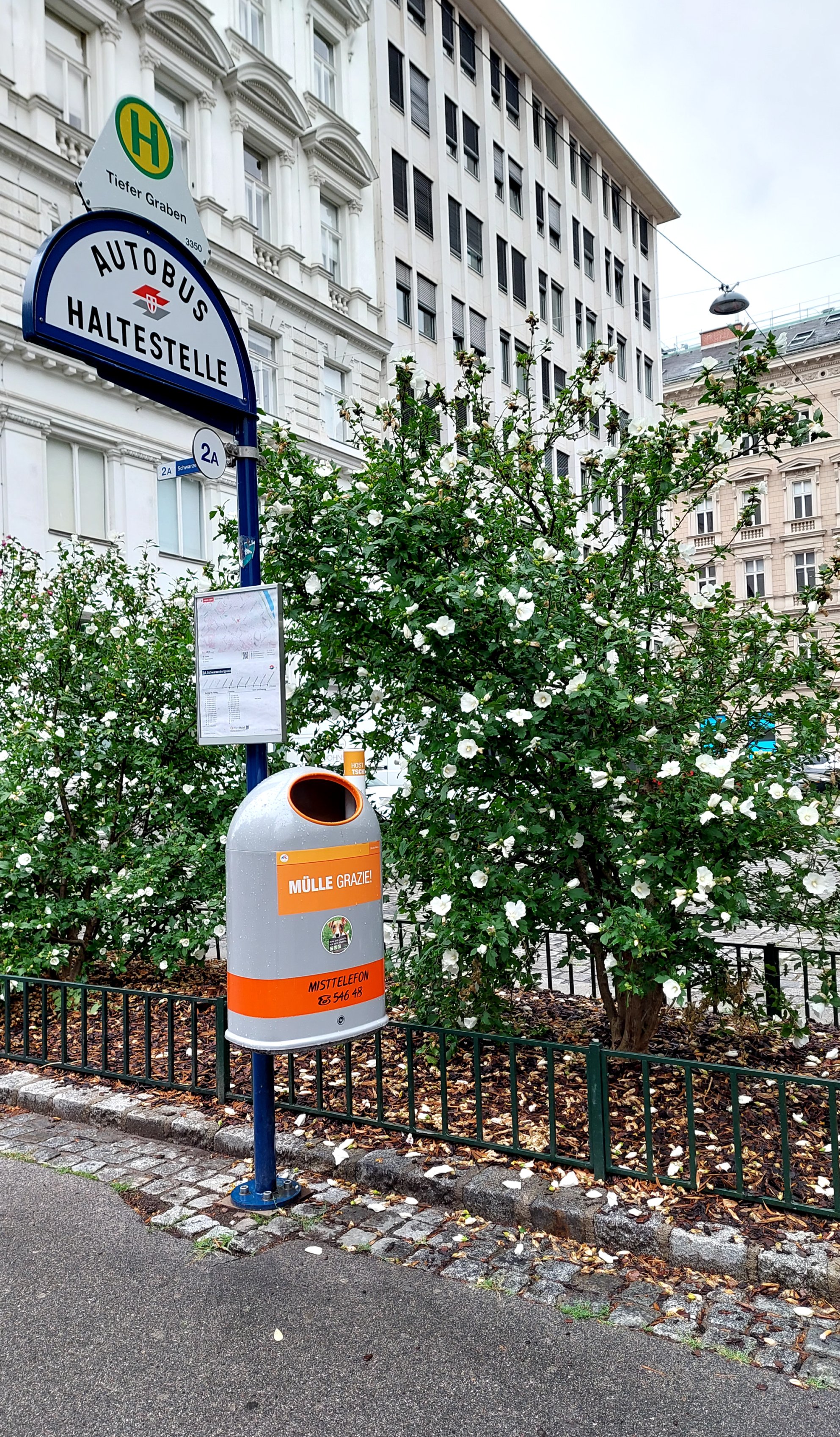
Why blind people in Vienna hate trashcans
In Vienna, blind and visually impaired people face an unexpected hazard: trashcans mounted on street poles.
While white canes are effective at detecting ground-level obstacles, these suspended bins are invisible to users.
This blog post discusses the challenge of navigating around such trashcans, drawing from real user interviews and highlighting how this overlooked issue could be addressed with better design and technology like Hope Tech's Sixth Sense.
Vulnerable Customers
Did you know that an estimated 300,000 people in Austria have no or limited knowledge of German? And out of those, to 56% it’s more important to be able to communicate in their first language than getting the best bargain. On top of that, 7.1% of 16 to 65-year-olds have quite low reading competencies.
Language barriers are not just between different languages.